
Design With Well Spaced Apartment For Families
Nowadays, when the housing area seems to be increasing, an apartment seems like a relic of the past. But these unique apartment styles offer some measurable advantages over traditional spaces. They’re also a great way to keep your costs down in high-cost cities like New York and San Francisco.
Your Own Apartment
However, there are also some downsides to a stylish apartment. Along with the low purchase cost of these homes comes a lower resale price in the future.
According to Jonathan Miller in the New York Times, these apartments sell for 15% to 25% less than other apartments of the same size with standard layouts. However, in places like New York City, almost all houses are a good investment because prices remain high.
What is a good looking apartment?
An apartment is narrowly built. These apartments run from the front of the building to the rear in a long succession of rooms.
The rooms are connected to each other without corridors between them, like cars. Apartments are also called “floor through all apartments”.
This apartment is known in common usage as a fancy looking flat. These were first introduced to New York City in the 1830s to help with overcrowding. At this time, the standardized building codes common today did not exist.
The apartments were functional units and were not designed with beauty or comfort in mind. Most of the railroad-style apartment units were unsanitary, cramped, dilapidated, and poorly lit.
These types of apartment setups became common in other big cities like Chicago and Boston. You can find apartments in high-rise apartment buildings and narrower brownstones.
Design of an attractive apartment
A typical apartment layout has three to five rooms. Most flats in rural areas do not have corridors, although some apartments in other cities do have corridors.
Modern people value privacy, so efforts have been made to add screens and partitions to floors to provide more usable space. Some apartments are large enough to subdivide rooms and add hallways to create a more livable home.
Pros and cons of an apartment
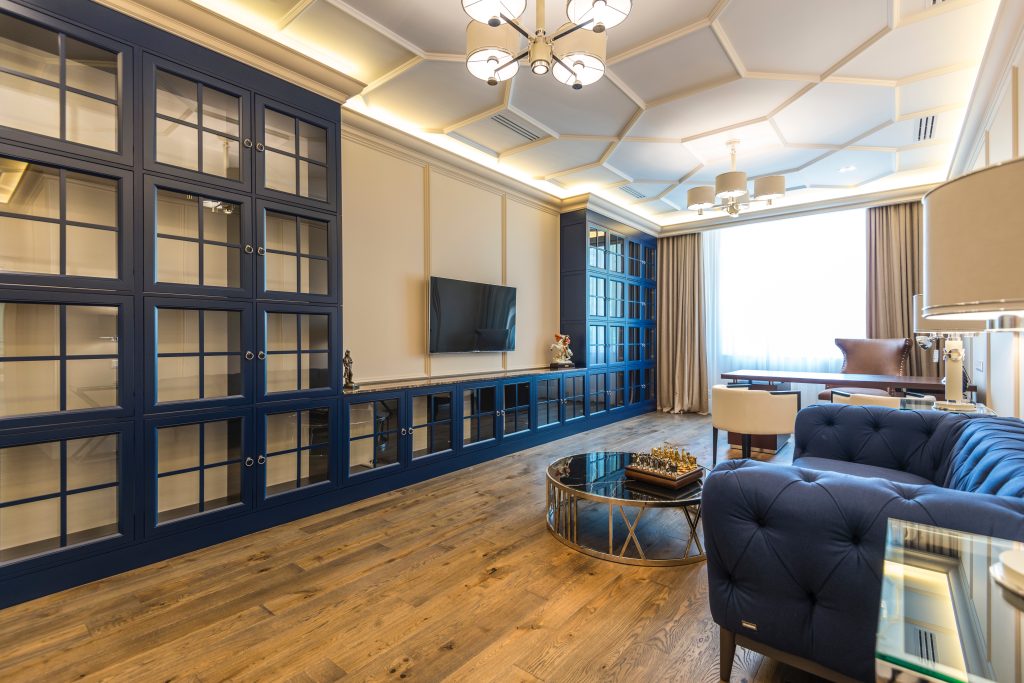
There are definite advantages to a stylish apartment for young buyers and renters. But for others, these style homes present a challenge to modern lifestyles.
advantage
Cost: The initial cost of renting or buying apartment units is cheaper. This is a good way for first-time homebuyers and renters to enter the market and establish equity or credit.
Availability: Railway housing was common in large cities. These units are easy to find and abundant in areas where housing is more expensive.
Unique interior: Most of the apartments are located in historic buildings. Many of them still have unique architectural features. These include high ceilings, exposed brick walls and more elaborate moldings.
Cons
Lack of privacy: In an apartment, you have to go through one room to get to another. This does not create privacy in the rooms in the middle of the layout.
Inconvenient living conditions: the layout of the apartments is not ideal for families or people with mobility problems. The size of them also inhibits large storage solutions, making the home more cluttered.
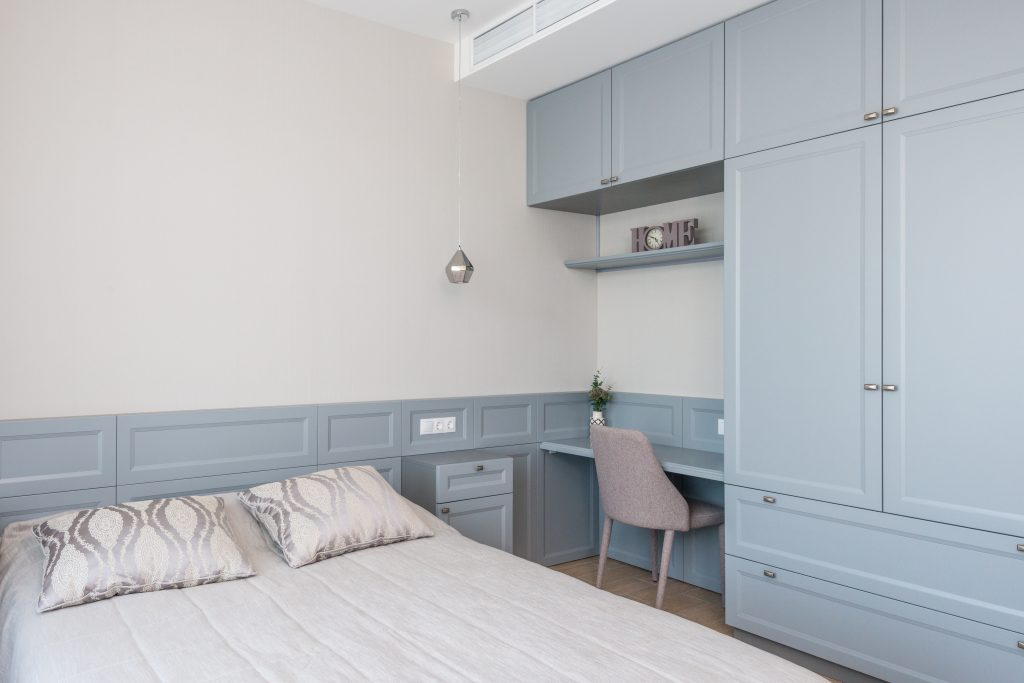
Resale: This design doesn’t work for everyone, so fewer people are interested in apartment units. This reduces the resale price.
Apartments may not be ideal for everyone, but they are the right answer for others. Here are some ideas we’ve put together to help you keep your apartment looking beautiful and running efficiently.
Make the most of the lighting you have and add more as you can. This includes the use of natural light from windows and doors.
Keep window coverings to a minimum to expand all the natural light you have. Use sheer or linen curtains or blinds in areas where you don’t need as much privacy. In areas like bedrooms, employ layering techniques that allow you to let in more light during the day, but close them off for privacy at night.
Also, add unique lighting fixtures and other sources of ambient light in areas where it makes sense. Interesting lighting fixtures will help draw attention away from the size of the space, but add its character.
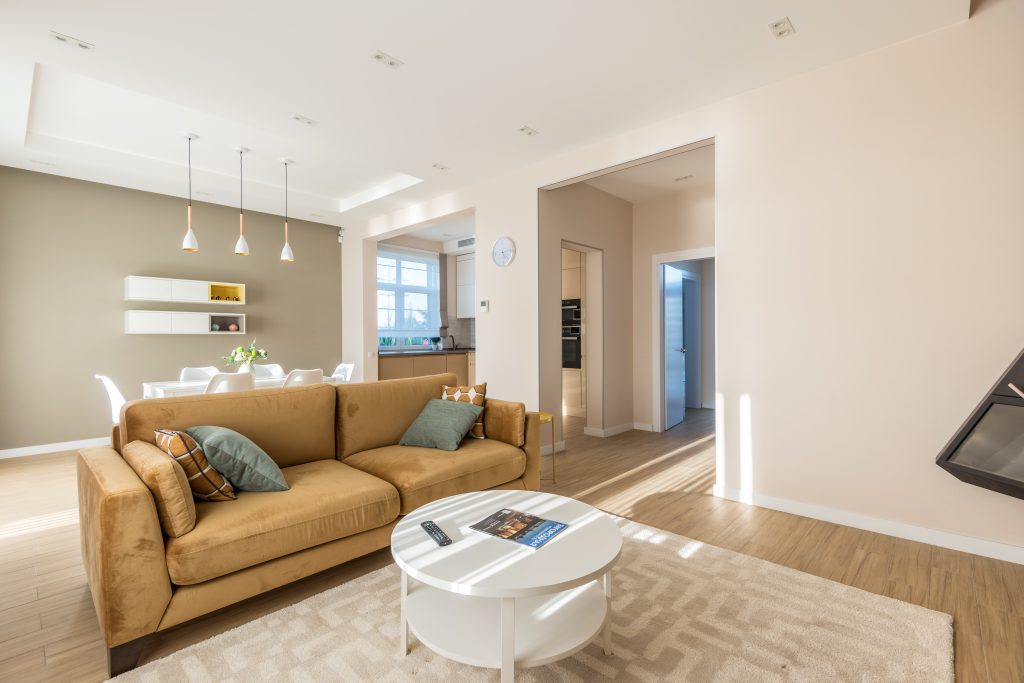
Task lighting in strategic areas like reading lights and under-counter lights will help increase comfort and efficiency. Layering light sources like this helps give the room a sense of balance and comfort.
When you’re trying to make an area look larger and more open, light neutral colors work best. This can include whites, creams, light grays, beiges, and grays. If you love bold, dark colors, feel free to accent them with these hues to add interest to your design.
Because these rooms work together, it’s best to create cohesiveness throughout the space. So keep one dominant color as your wall color and another as your accent color.